Holloway, Thomas H.
Published by University of North Carolina Press, 1980
Hardcover in good condition with light foxing as pictured.
When slavery was abolished in 1888, Sao Paulo, Brazil, subsidized the immigration of workers from southern Europe and Japan. Faced with a worldwide coffee market and abundant land for expansion, native planters developed a package of incentives to attract workers, in contrast to the coercive labor systems historically common in other plantation systems. By the 1930s a clear majority of the small and medium-sized coffee farms were owned by first-generation immigrants.
First edition.
ISBN 10: 080781430X
Holloway, Thomas H.
Published by University of North Carolina Press, 1980
Hardcover in good condition with light foxing as pictured.
When slavery was abolished in 1888, Sao Paulo, Brazil, subsidized the immigration of workers from southern Europe and Japan. Faced with a worldwide coffee market and abundant land for expansion, native planters developed a package of incentives to attract workers, in contrast to the coercive labor systems historically common in other plantation systems. By the 1930s a clear majority of the small and medium-sized coffee farms were owned by first-generation immigrants.
First edition.
ISBN 10: 080781430X
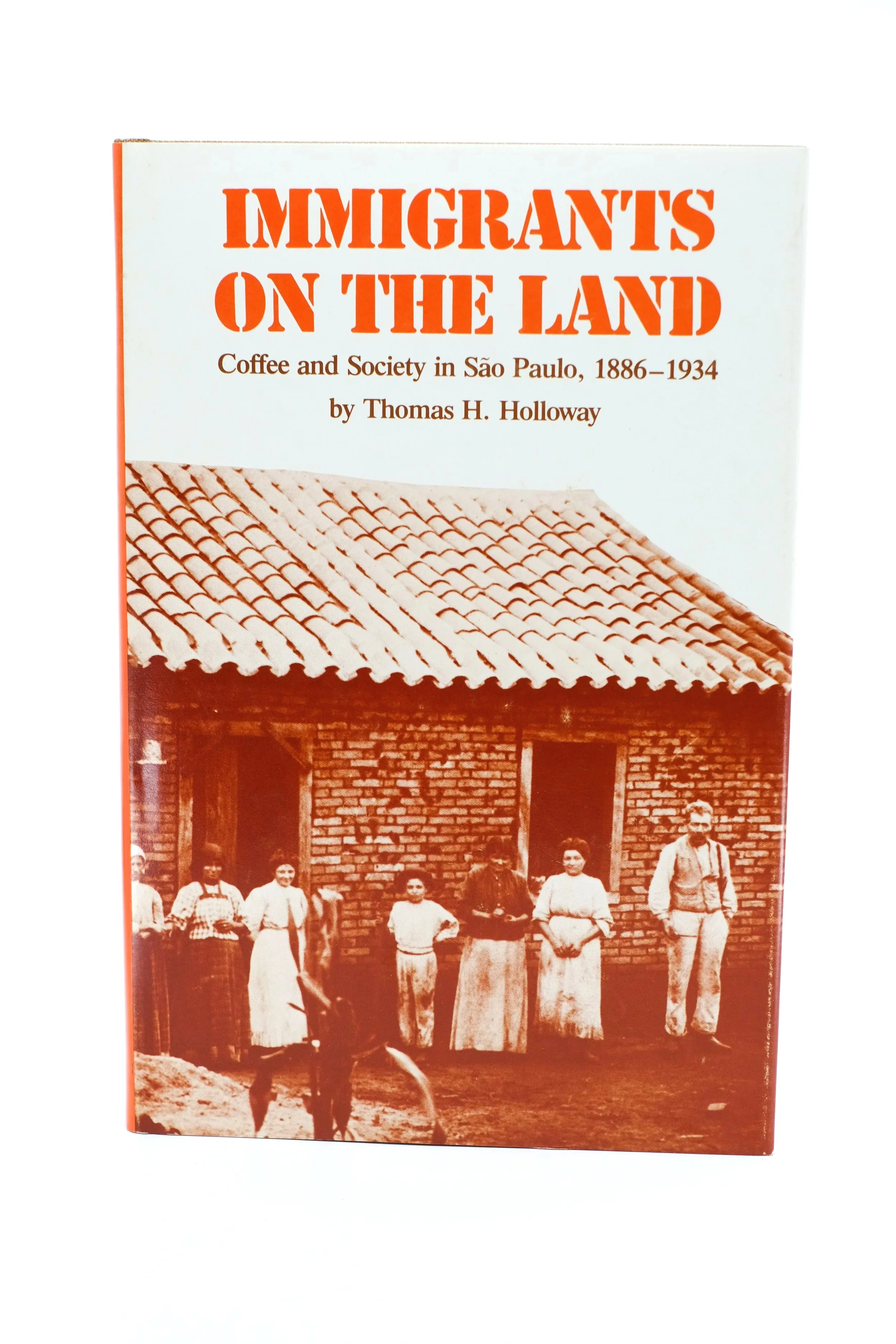 Image 1 of 6
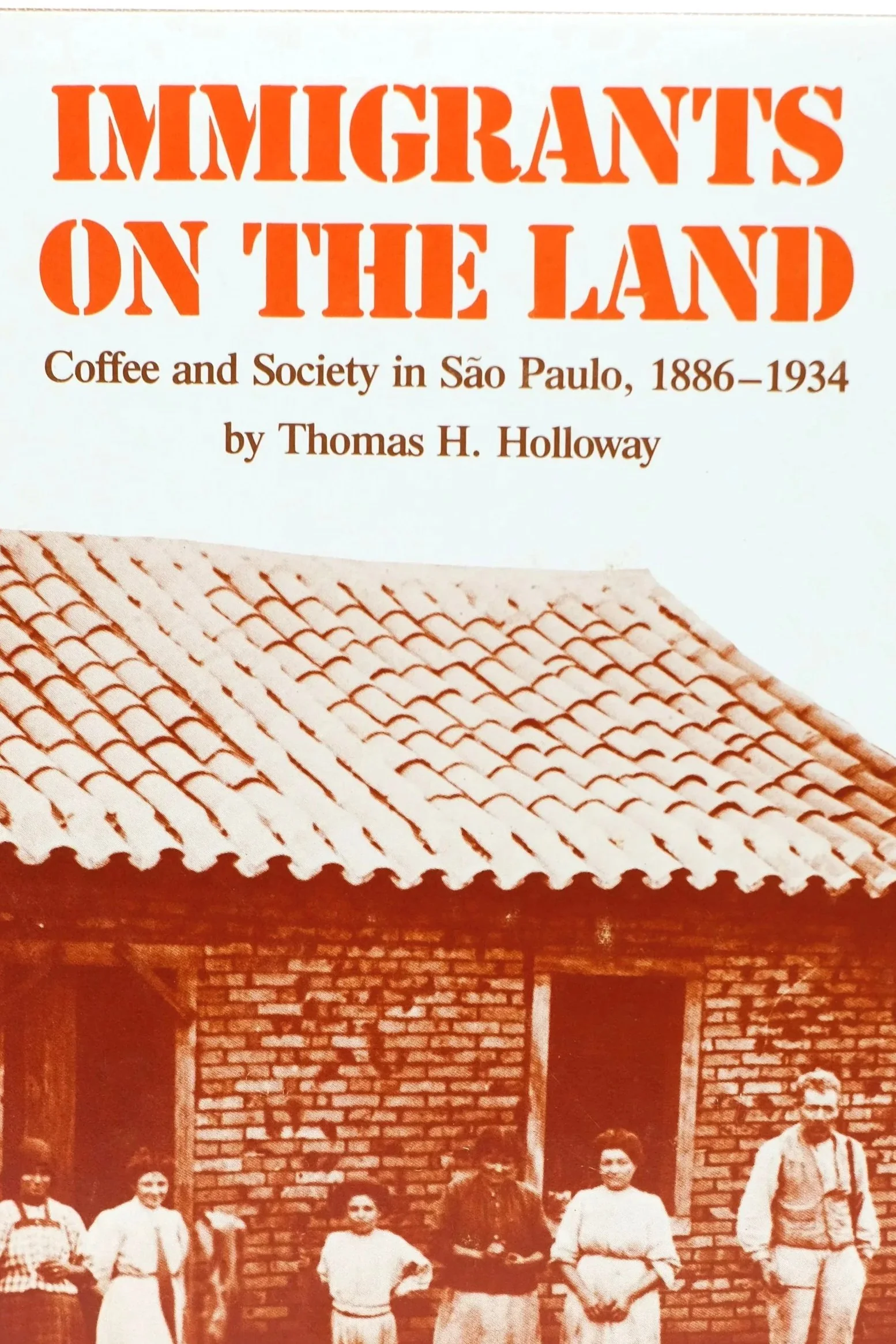 Image 2 of 6
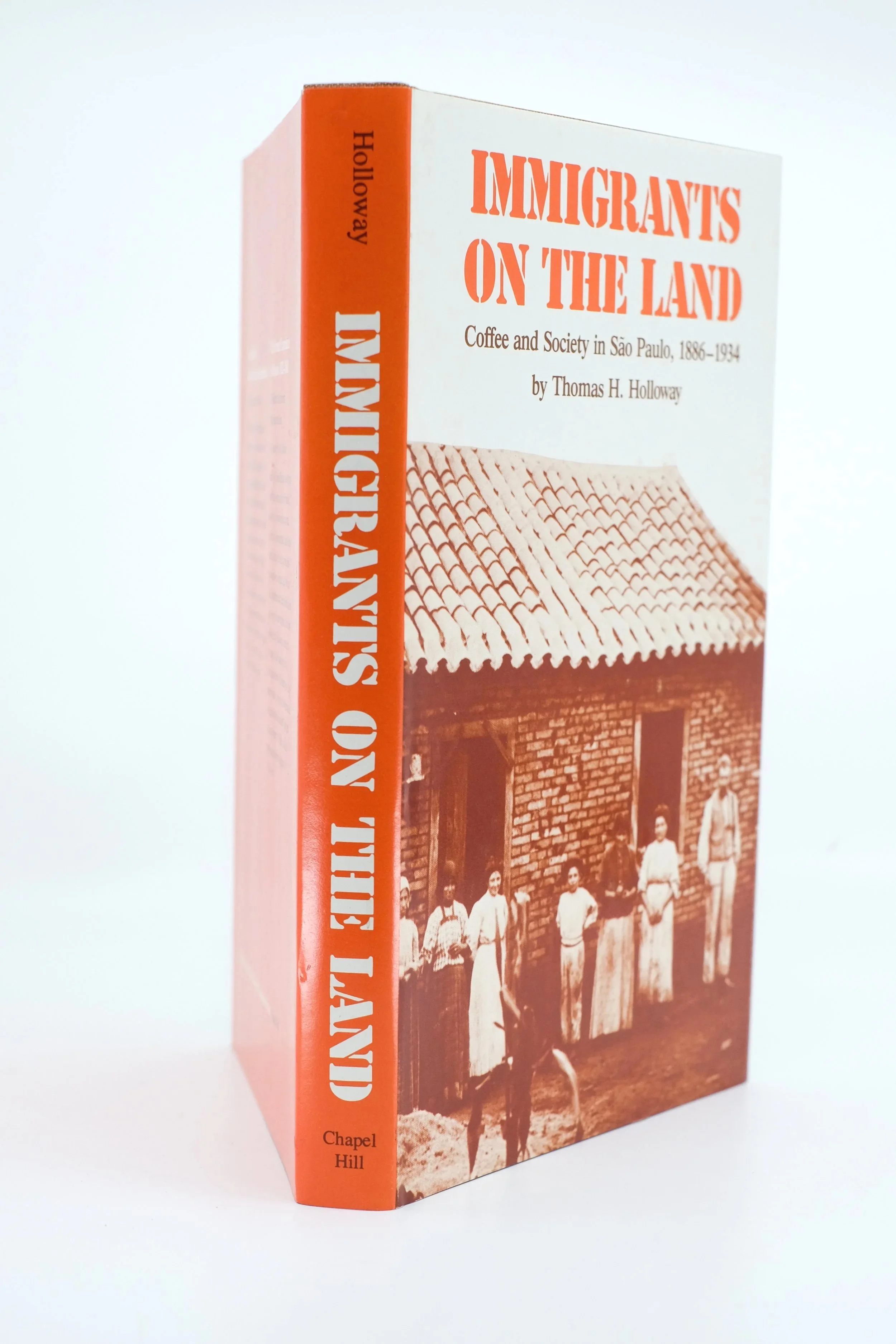 Image 3 of 6
 Image 4 of 6
 Image 5 of 6
 Image 6 of 6