Korn, Alfons L.
Published by The University Press of Hawaii, Honolulu, 1976
Hardcover in good condition with light wear to jacket and foxing to page ends
The letters and notes in News From Molokai encompass the lives of three Hawaiian Latter-day Saints who collectively represent the birth pangs of modern Hawaii and the role of the church in that process. The three are Jonathan Napela, Koii Unauna, and Queen Liliuokalani. In their collective story lies a great drama for both the researcher and the playwright.
The book is comprised of correspondence between Dowager Queen Emma Kaleleonalani and her cousin Peter Kaeo, both alii, or nobles, during the years 1873-76 when Peter, then a confirmed leper, had been confined to the leper settlement at Kalaupapa, Molokai. The correspondence reflects the attitudes of two Hawaiians of noble birth during a period of political intrigue, cultural change, and new social values, “especially of the more piercing emotions that sustained some of those values, not only into the last quarter of the nineteenth century, but also very evidently beyond” (p. 278). The numerous references to Mormons and Mormonism throughout the letters suggest the depth to which these conditions and the church intermeshed.
ISBN 10: 082480399X
Korn, Alfons L.
Published by The University Press of Hawaii, Honolulu, 1976
Hardcover in good condition with light wear to jacket and foxing to page ends
The letters and notes in News From Molokai encompass the lives of three Hawaiian Latter-day Saints who collectively represent the birth pangs of modern Hawaii and the role of the church in that process. The three are Jonathan Napela, Koii Unauna, and Queen Liliuokalani. In their collective story lies a great drama for both the researcher and the playwright.
The book is comprised of correspondence between Dowager Queen Emma Kaleleonalani and her cousin Peter Kaeo, both alii, or nobles, during the years 1873-76 when Peter, then a confirmed leper, had been confined to the leper settlement at Kalaupapa, Molokai. The correspondence reflects the attitudes of two Hawaiians of noble birth during a period of political intrigue, cultural change, and new social values, “especially of the more piercing emotions that sustained some of those values, not only into the last quarter of the nineteenth century, but also very evidently beyond” (p. 278). The numerous references to Mormons and Mormonism throughout the letters suggest the depth to which these conditions and the church intermeshed.
ISBN 10: 082480399X
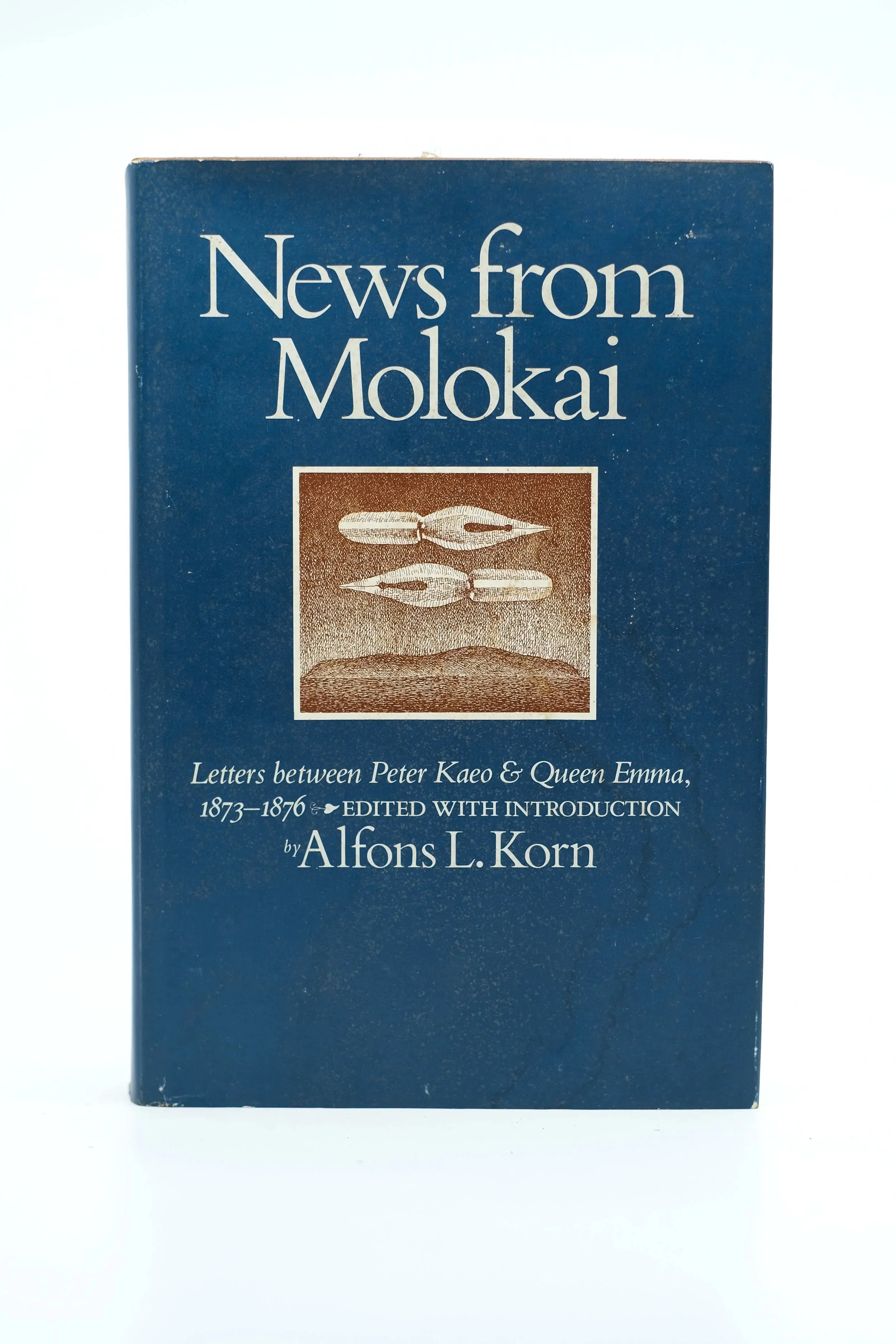 Image 1 of 9
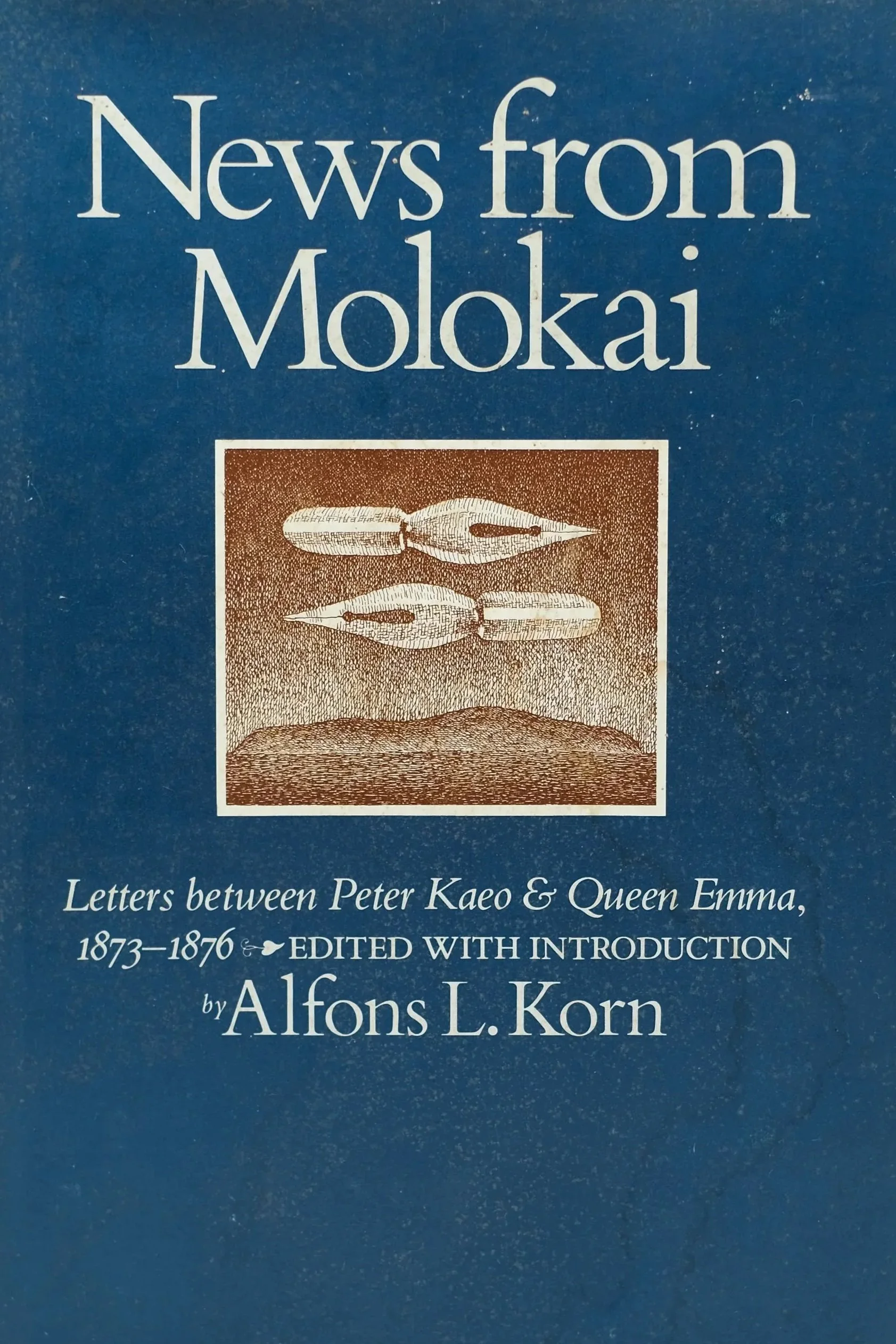 Image 2 of 9
 Image 3 of 9
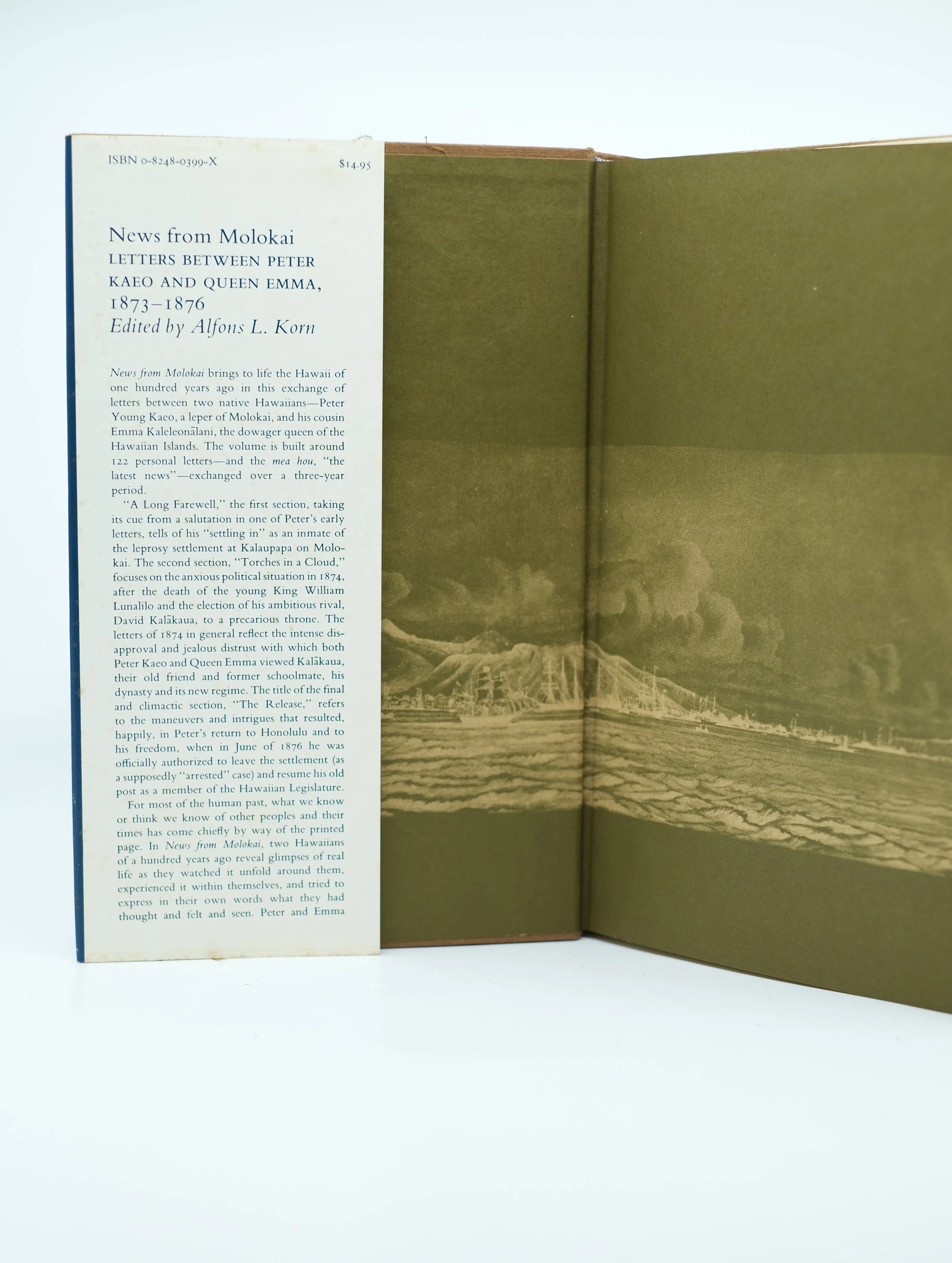 Image 4 of 9
 Image 5 of 9
 Image 6 of 9
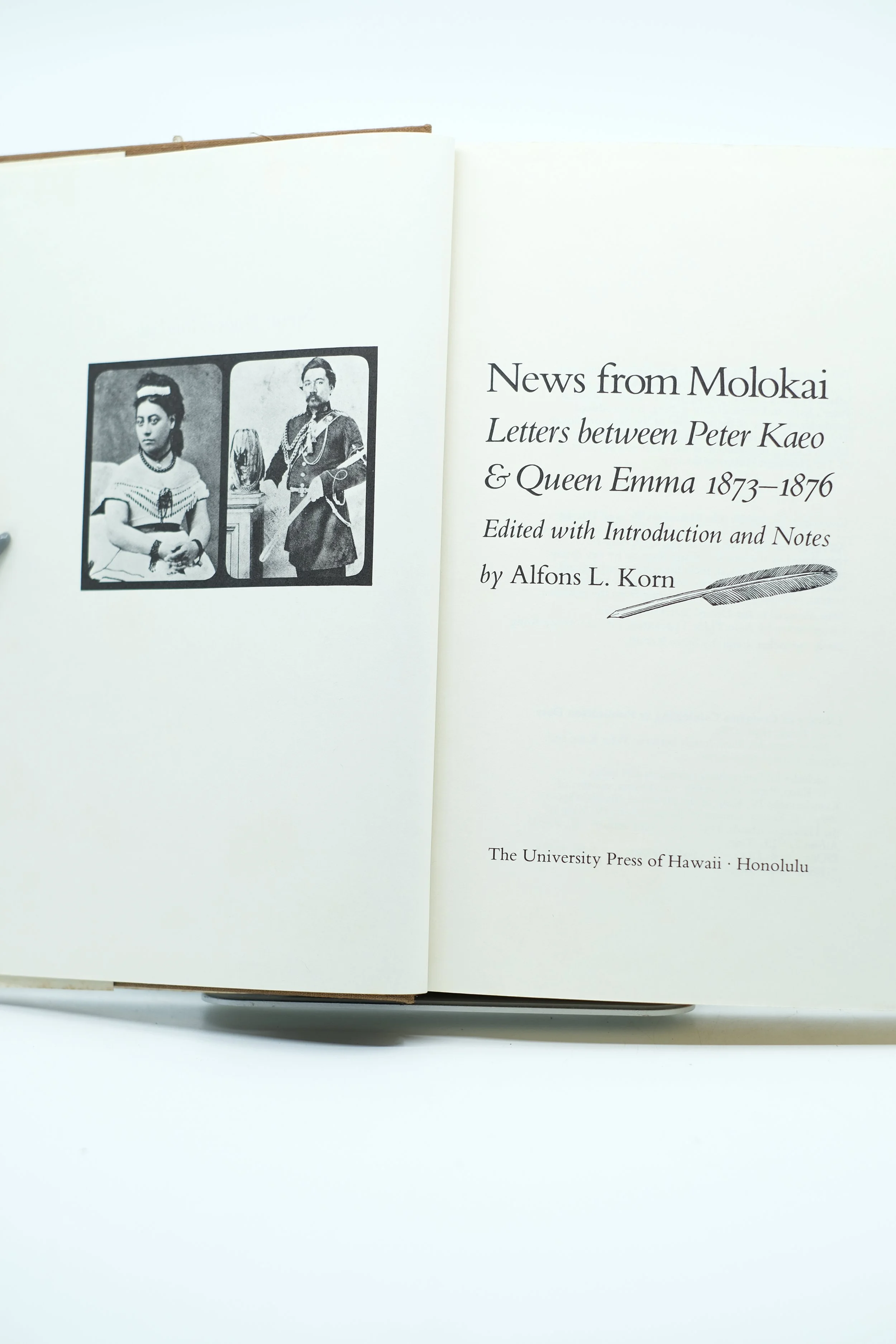 Image 7 of 9
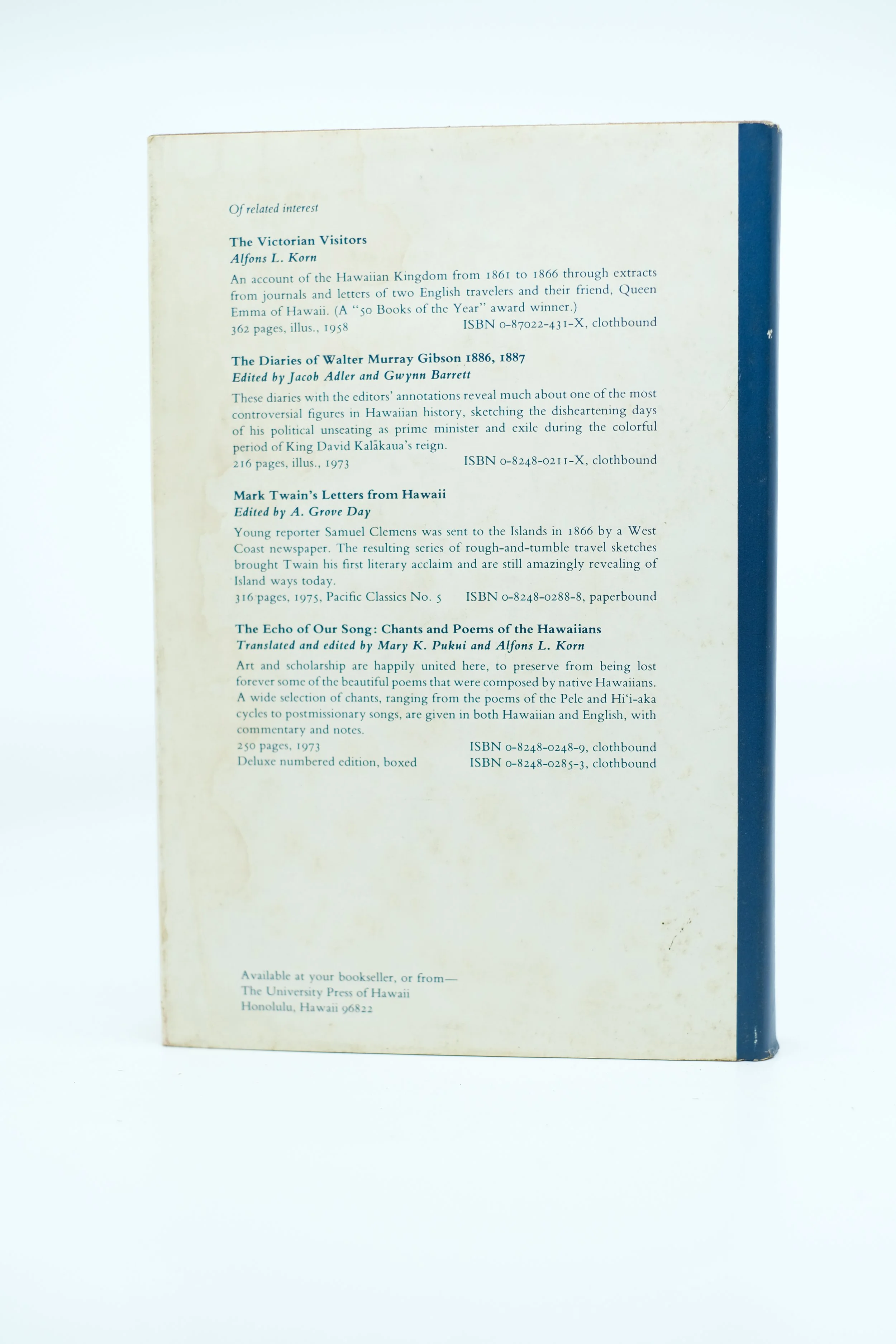 Image 8 of 9
 Image 9 of 9